
Shaheedah Fatemeh Shahdadi, a teacher in Minab
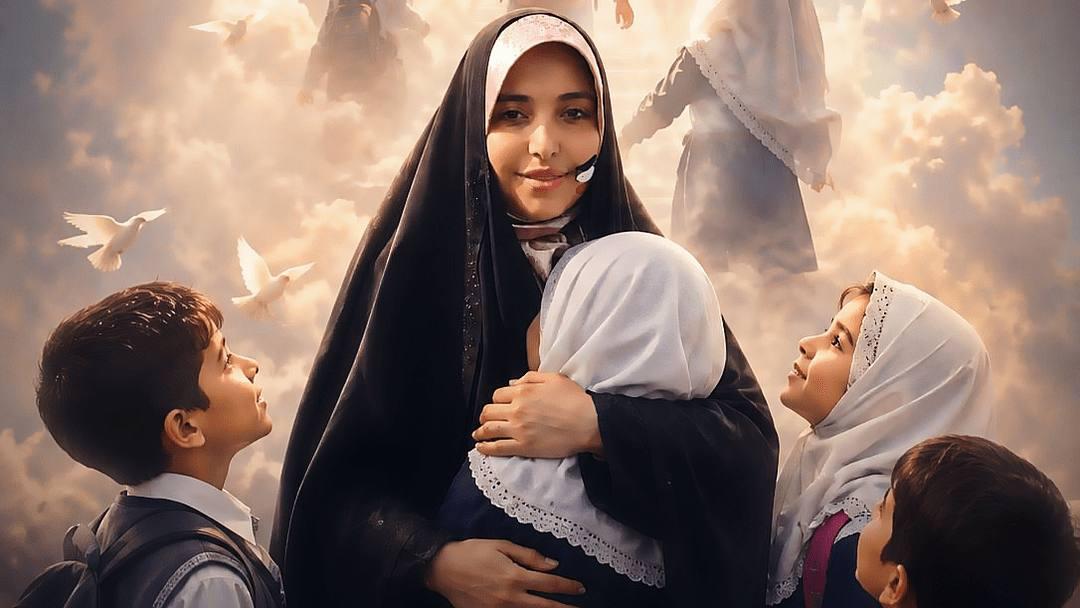
Before she became known for the life she tried to save,
Martyr Fatemeh Shahdadi was someone who seemed to always be creating, serving, and giving.
Her family remembers her as remarkably gifted.
She sewed.
She made candles.
She worked with resin and handicrafts.
She loved sport and was involved in handball.
She was always learning something new—and then passing what she knew on to others.
When Fatemeh became a physical-education teacher, she carried that same spirit into her school.
If her students needed sporting equipment, she helped provide it herself.
If the school grounds needed to be prepared for them, she did the work herself.
She did not simply notice what needed to be done.
She did it.
Perhaps this is why her final moments feel less like an exception to the life she lived, and more like its completion.
When the first explosion struck Shajareh Tayyebeh School, Fatemeh did not leave.
She stayed behind and helped evacuate the children.
Then, as she was trying to bring one of her students to safety, another explosion struck.
Fatemeh was martyred.
But the child she had been trying to save survived.
And suddenly, the words of the Holy Qur’an feel painfully close:
“And whoever saves a life, it is as though he has saved all of mankind.”
وَمَنْ أَحْيَاهَا فَكَأَنَّمَا أَحْيَا النَّاسَ جَمِيعًا
[5:32]
There is something beautiful about the continuity of her life.
The hands that created beautiful things,
the hands that prepared a place for her students,
the hands that served them in countless small ways—
were, in the end, reaching for a child.
Perhaps sacrifice does not suddenly appear in a person’s final moment.
Perhaps it is cultivated quietly, long before then—
in every small act of service,
in every need we choose to notice,
in every instance we see something that must be done, and say:
‘I can do something—so I will.’